
Behind the scenes 🔈
App UI/UX
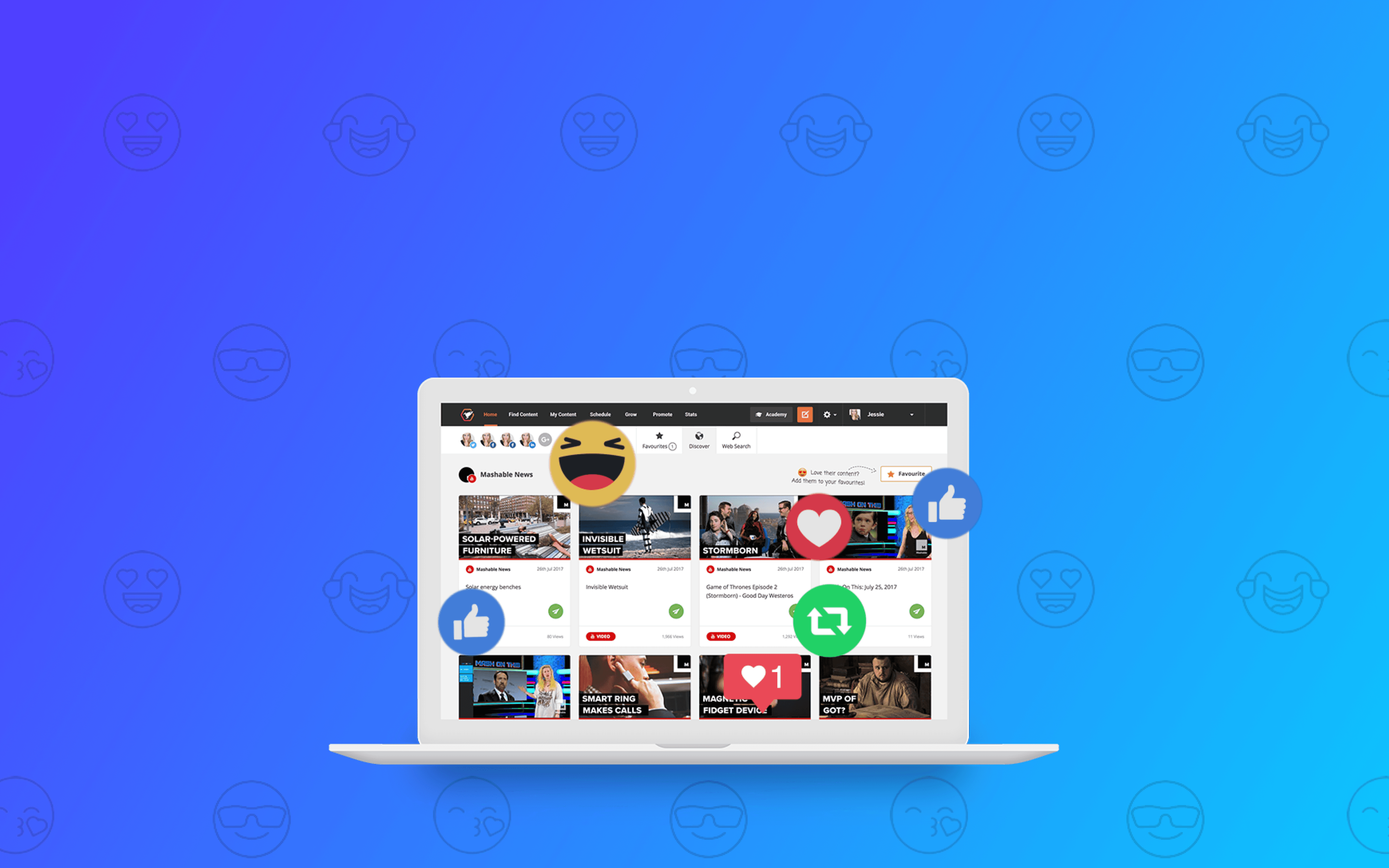
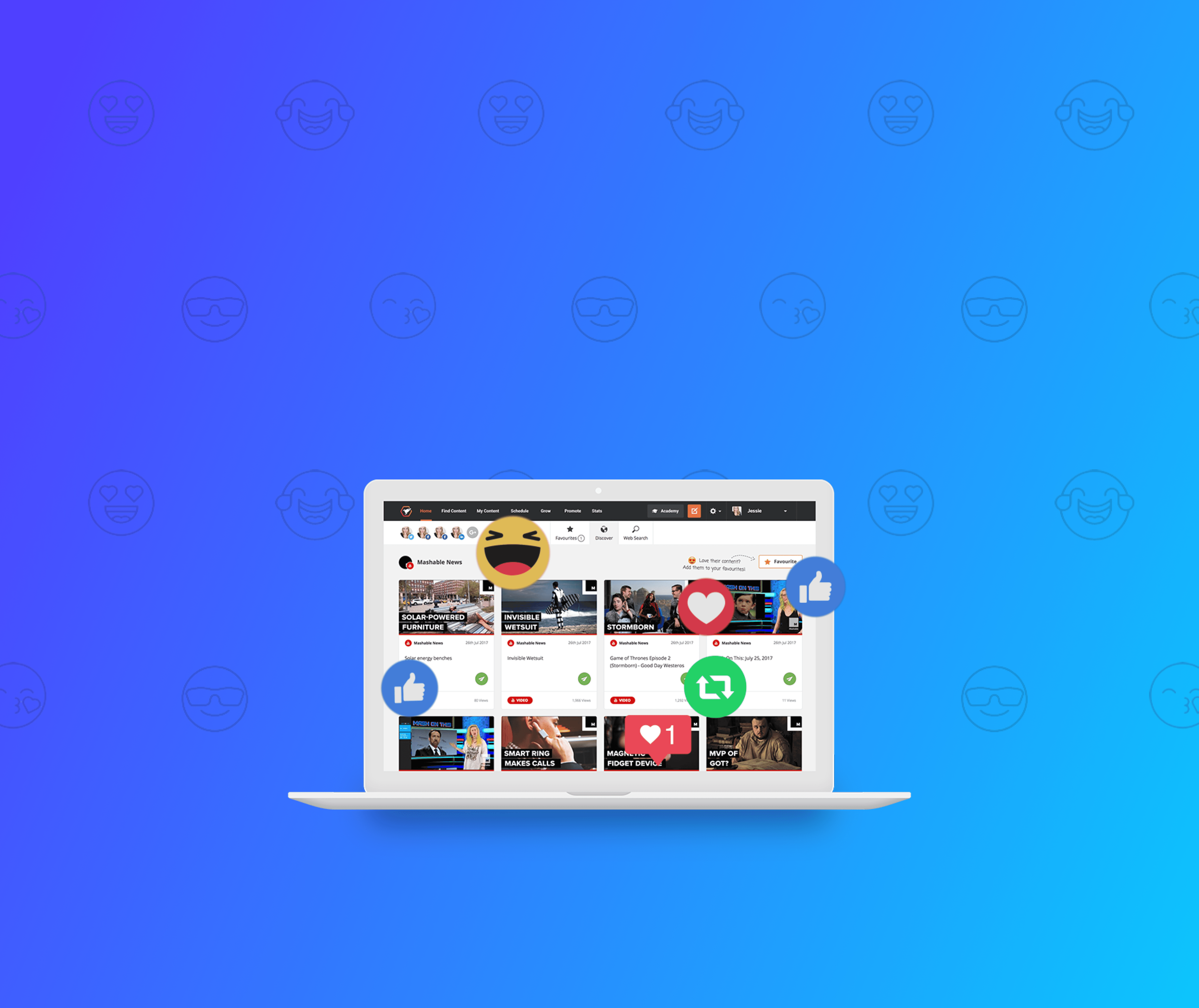
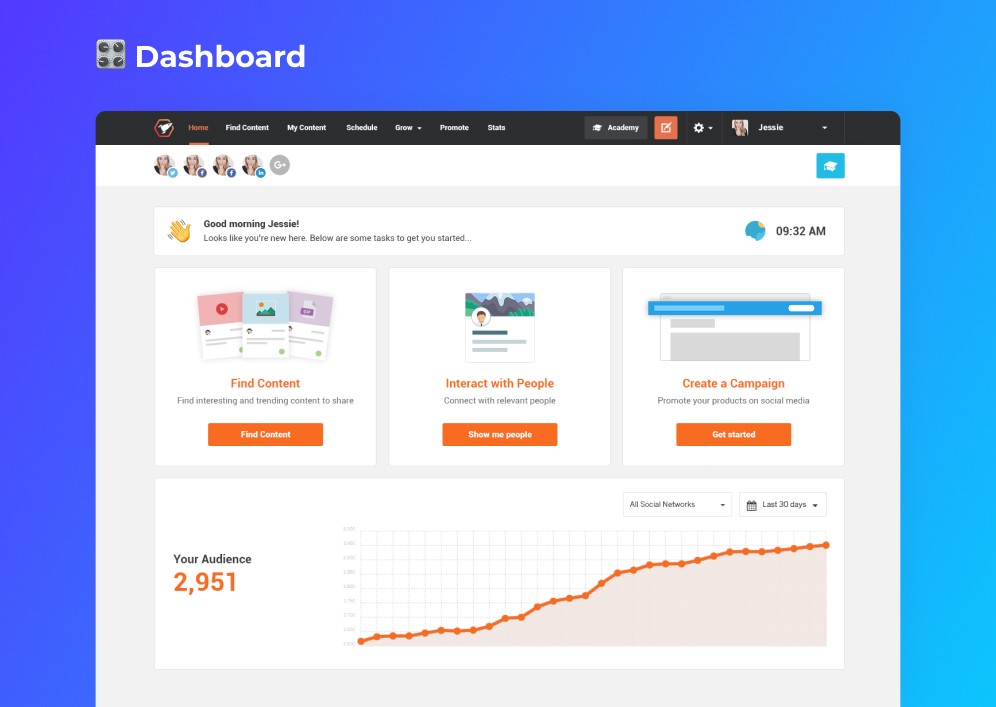
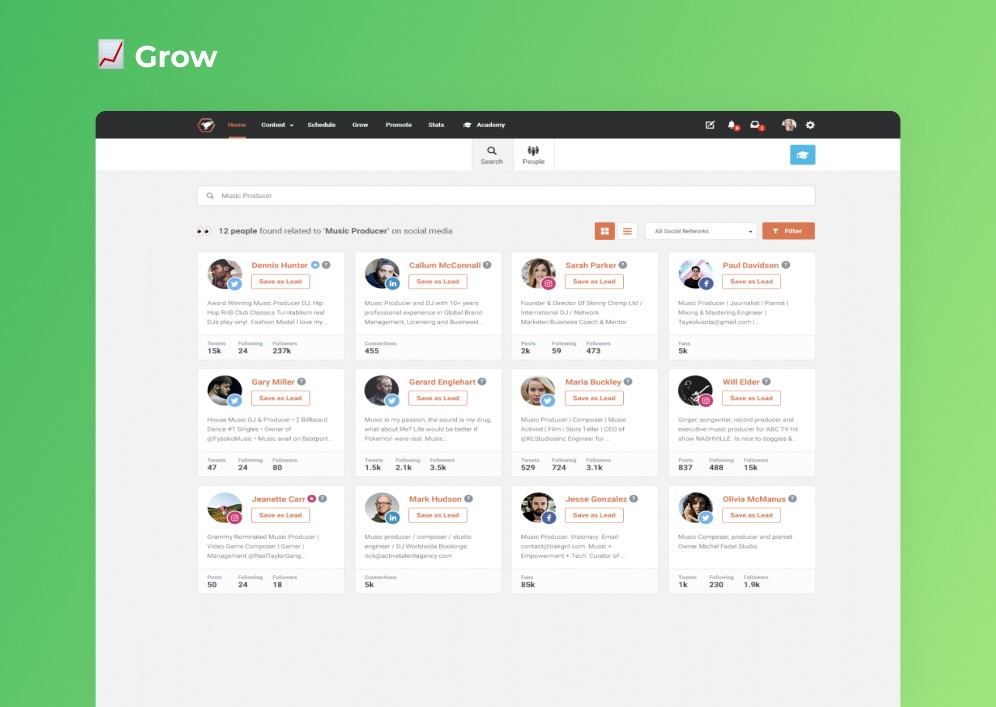
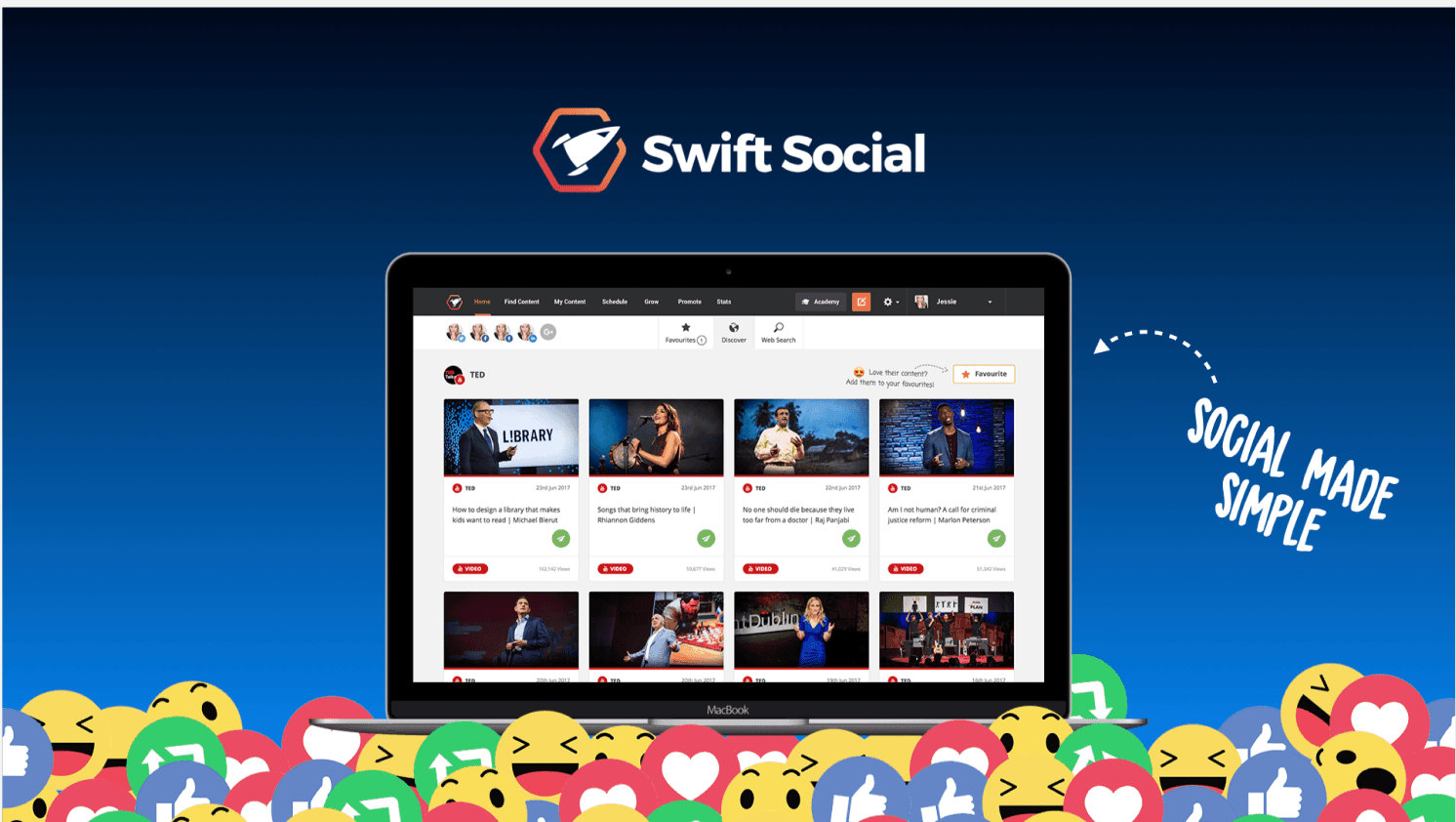
Designing Swift was an evolutionary journey. After the crowdfunded release of version 1, I redesigned the platform from the ground up, taking user feedback and feature requests from our user base into account. Needless to say, user experience was at the heart of our offering.
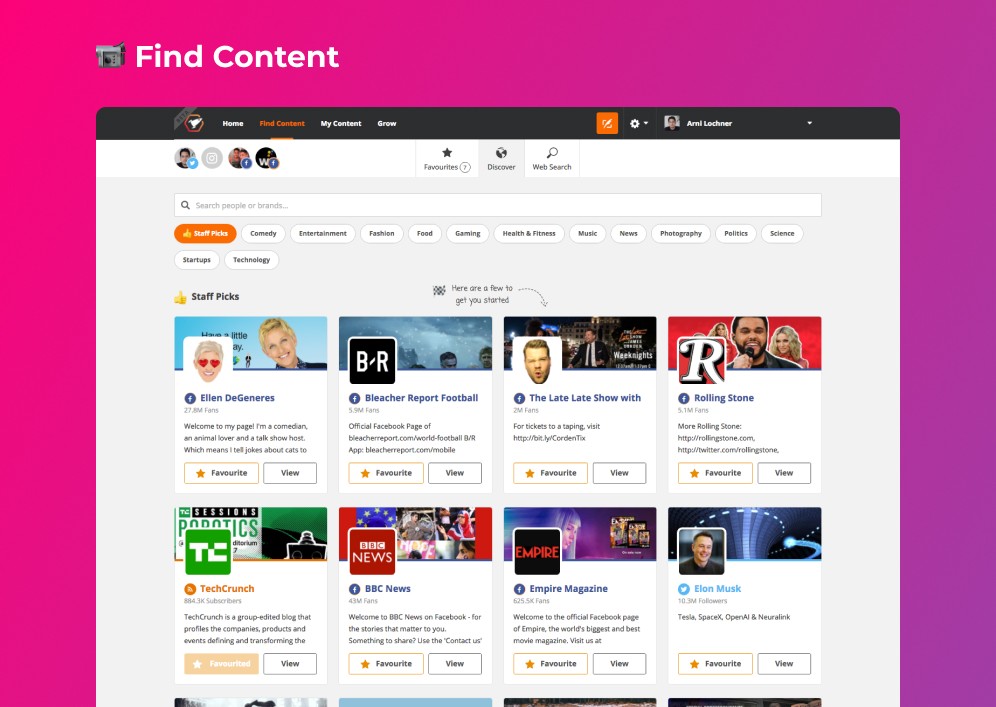
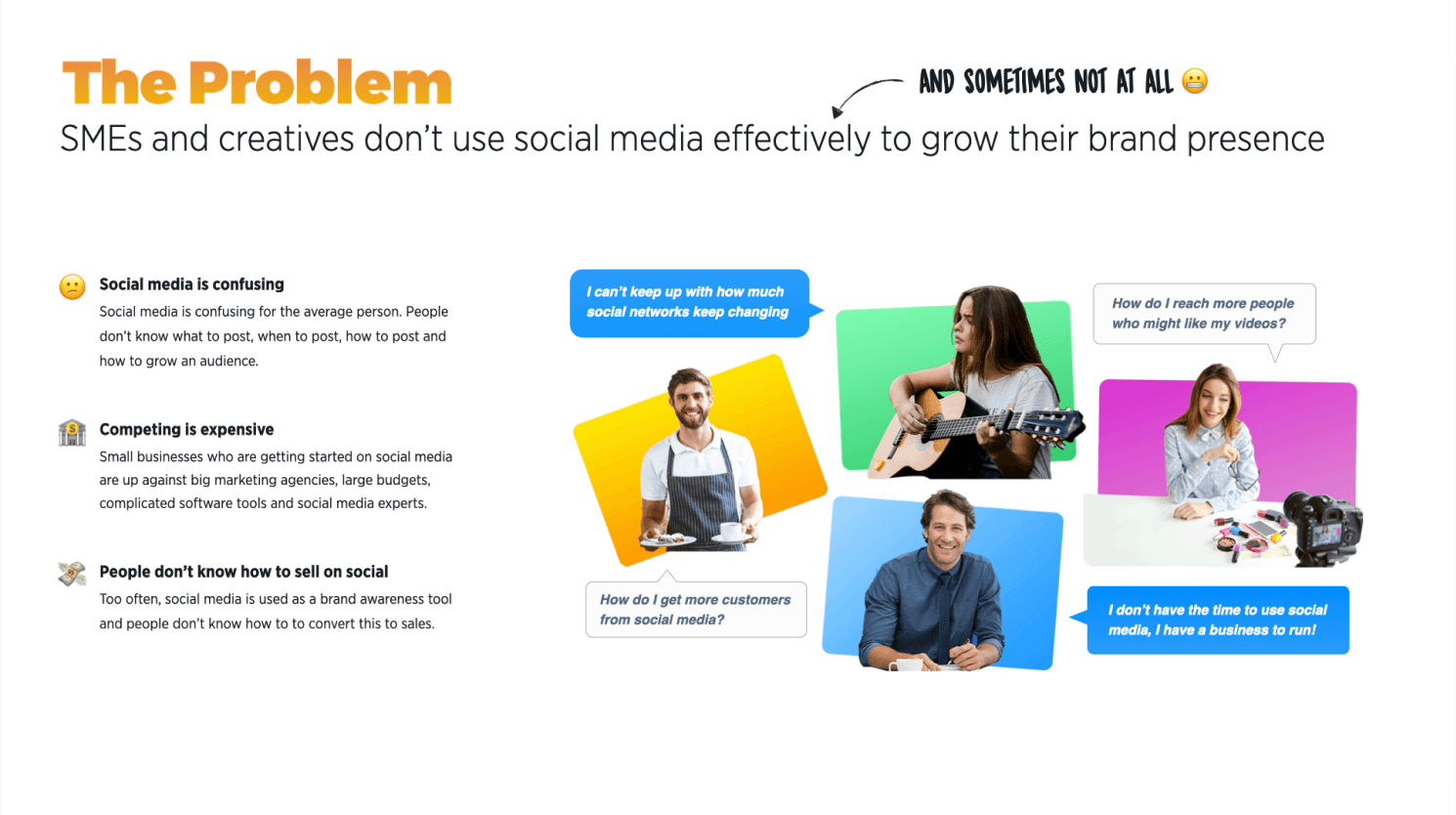
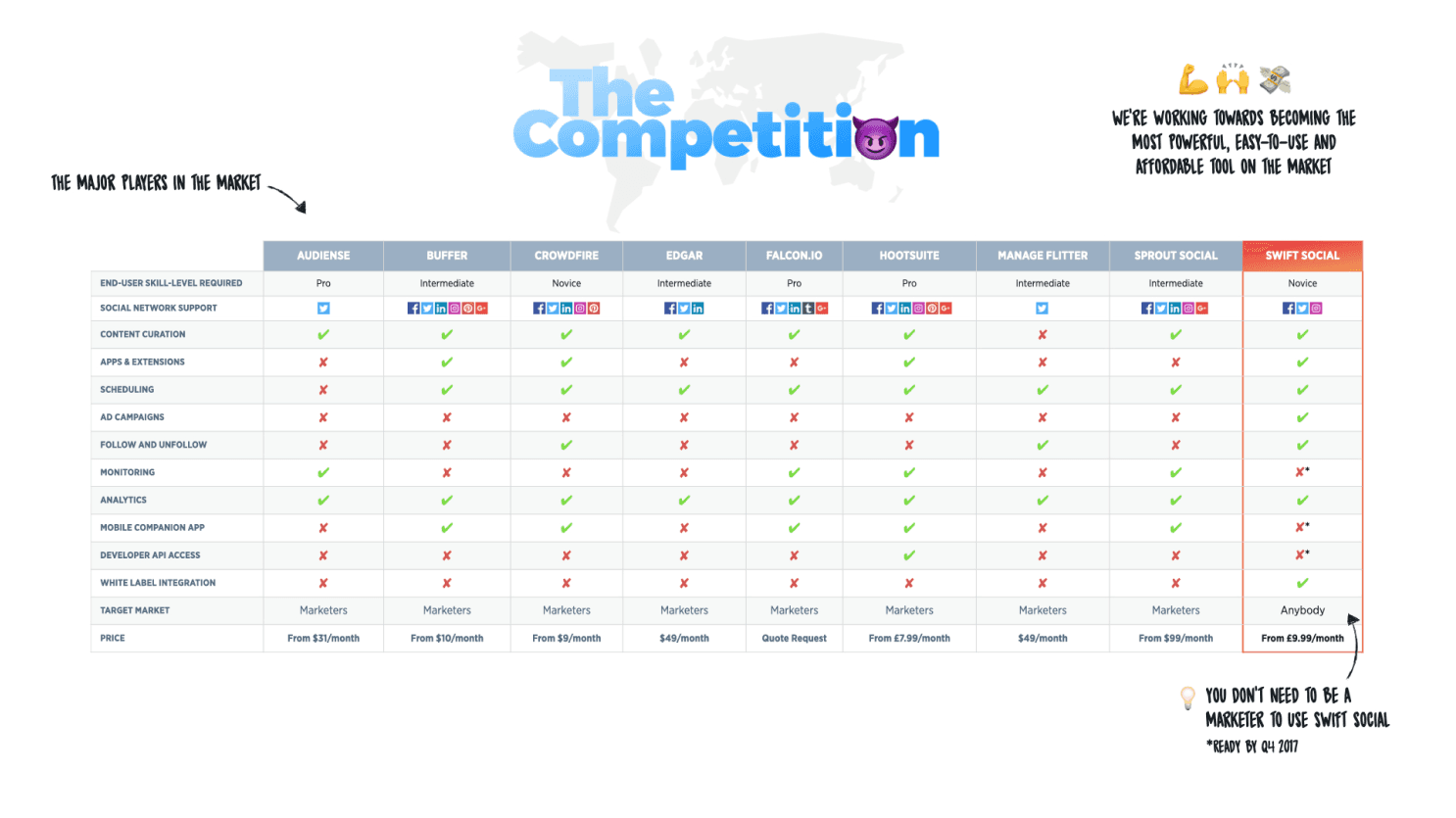
Given the similarity of our feature set to competitors', we aimed to make our user experience more user-friendly than any other social media management tool on the market. Our target audience was everyday business owners, so we set an extremely low barrier to entry, enabling users of all technical proficiencies to manage and grow their social profiles.
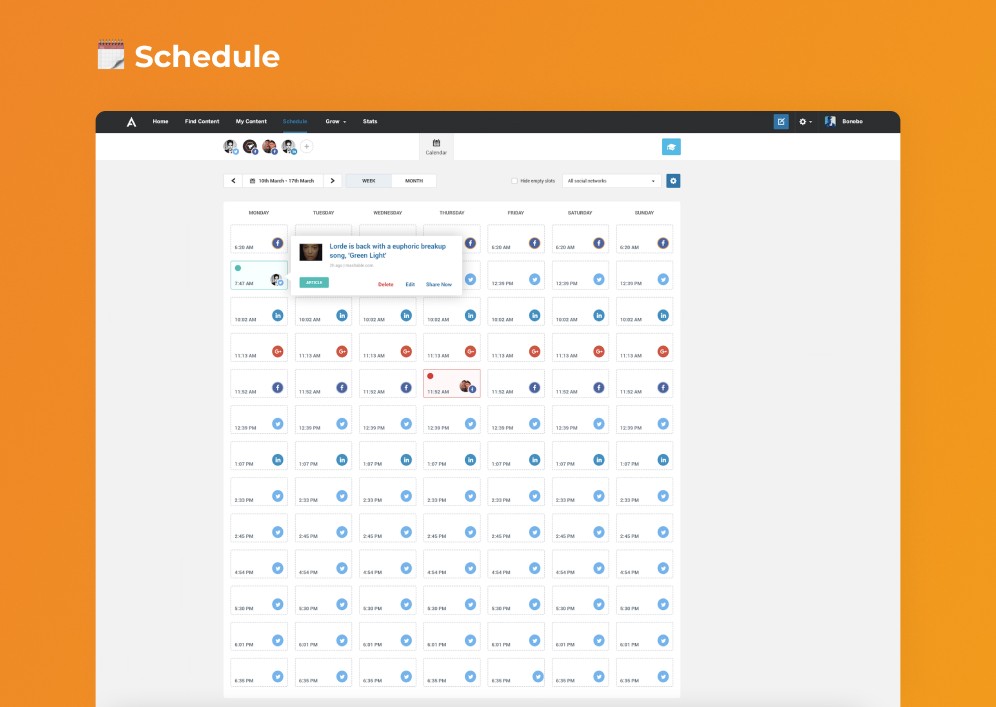
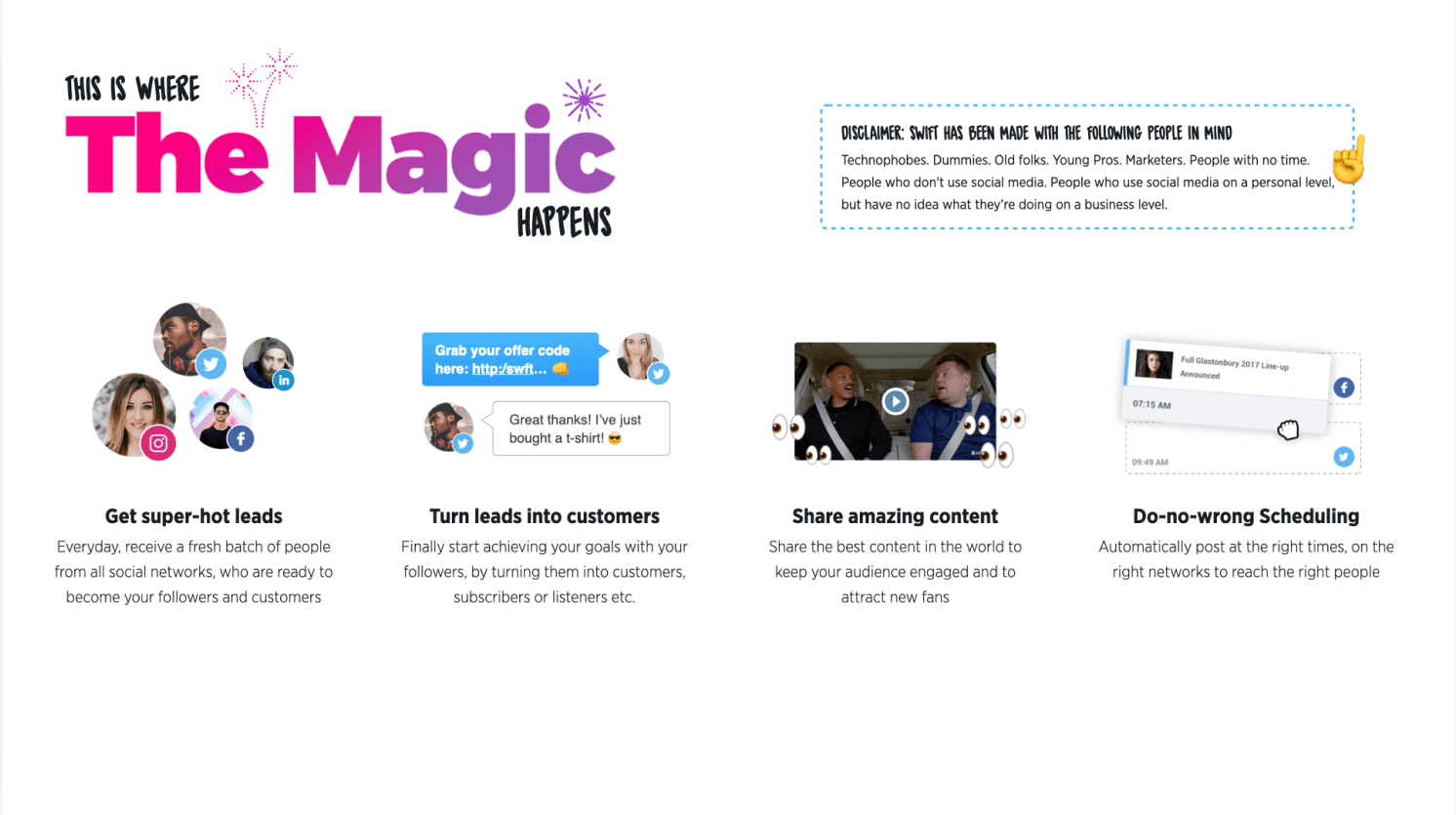
The design process presented several challenges, as the platform needed to accommodate search functionality, analytics, chat and interaction, scheduling tools, and account management.
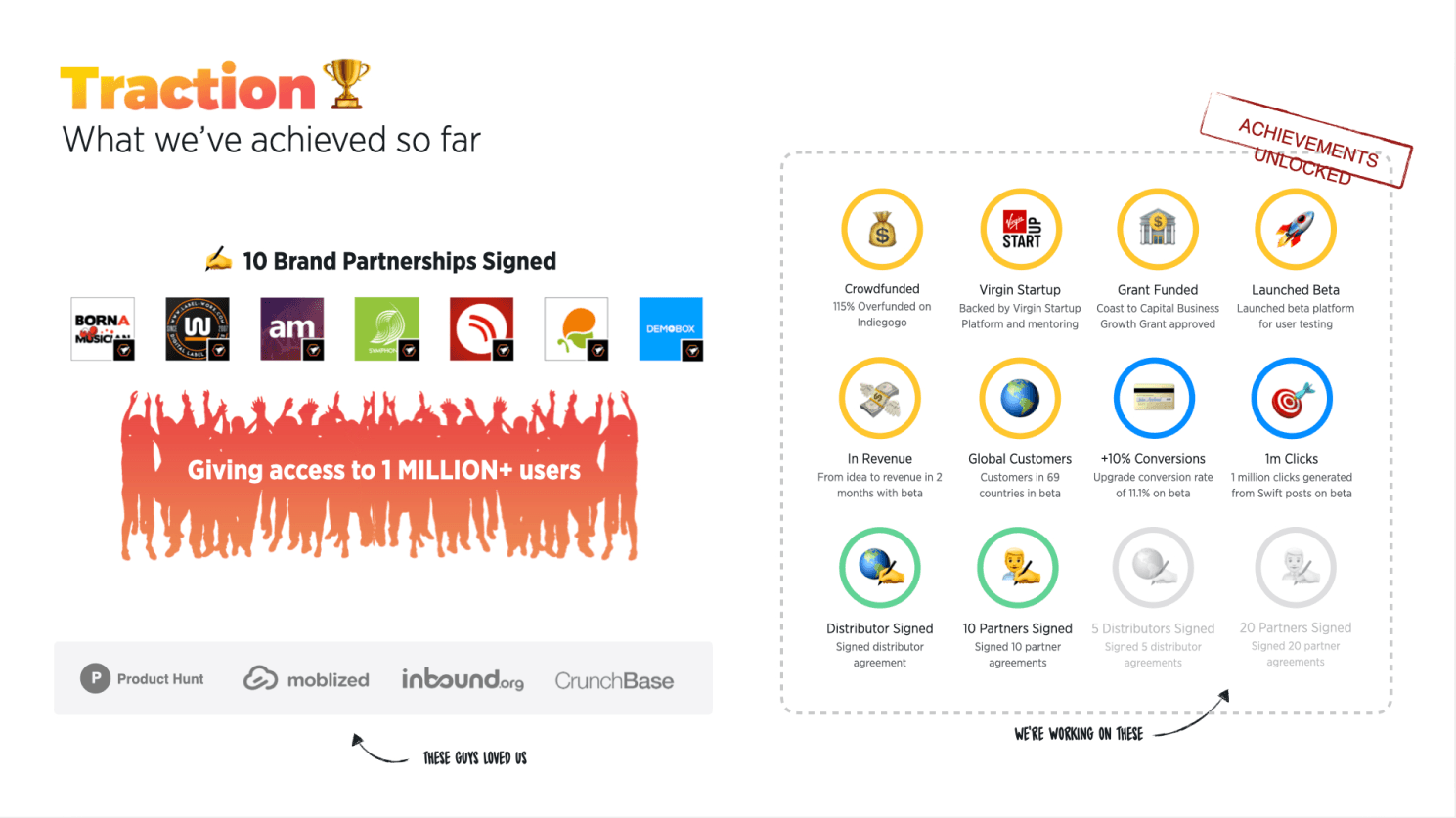
All these features had to be packaged in a way that was comprehensible to a layperson. At its peak, Swift was used in over 69 countries, and the feedback consistently praised its ease and effectiveness of use. Our goal was to surprise and delight our users, and we undoubtedly achieved that.

Branding
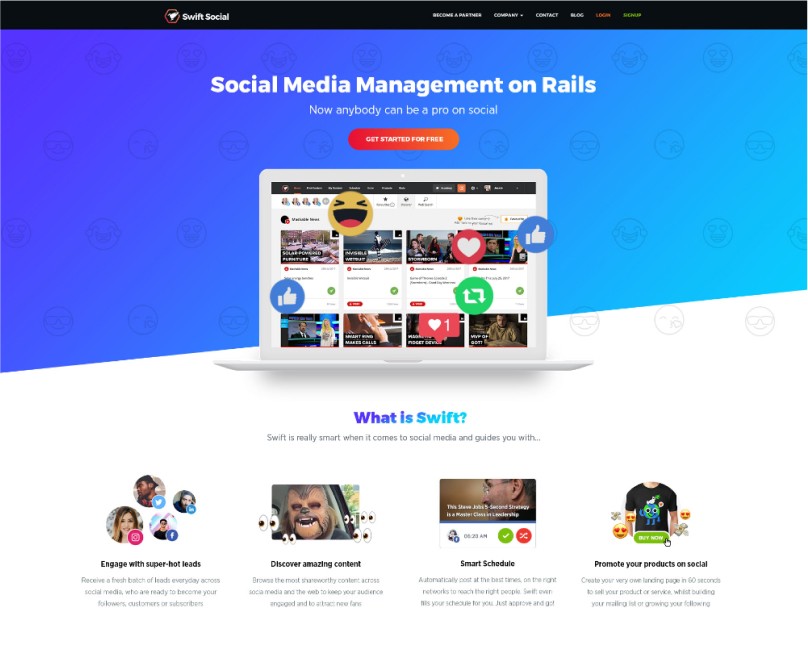
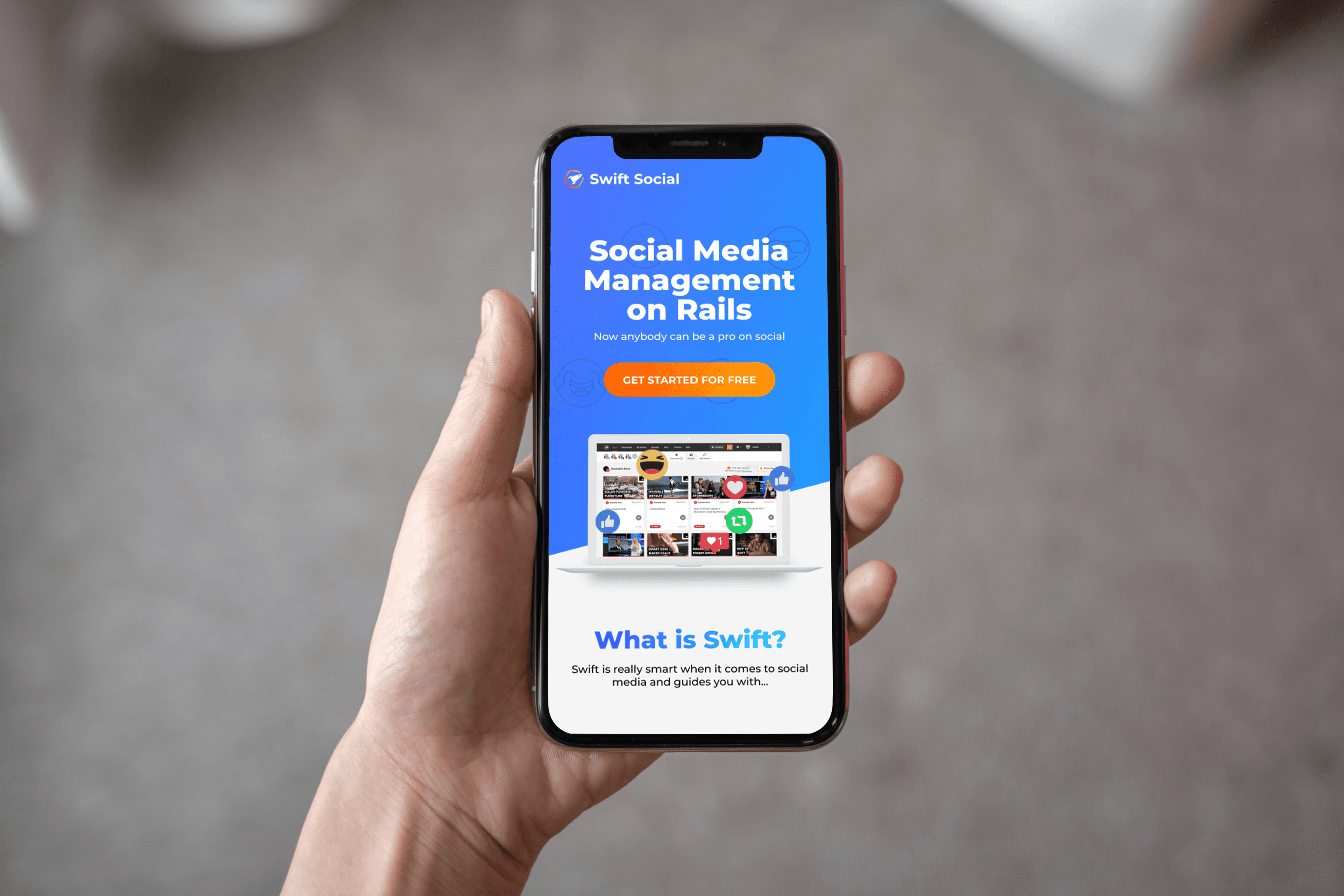
As we expanded 'Tweet Rocket' beyond just Twitter, I rebranded it to 'Swift Social', a name that better conveyed the speed and ease of managing social media channels.
I retained and updated the rocket in the logo to honor its origins, as it remained relevant even after the name change.
The vision for the branding was to create a fresh and vibrant visual identity that captured the fun and diversity of social media. I aimed for a seamless transition from a social platform to Swift Social so that it wouldn't feel like work. The tone of voice was conversational and friendly, ensuring a light and approachable user experience.
Behind the scenes 🔈
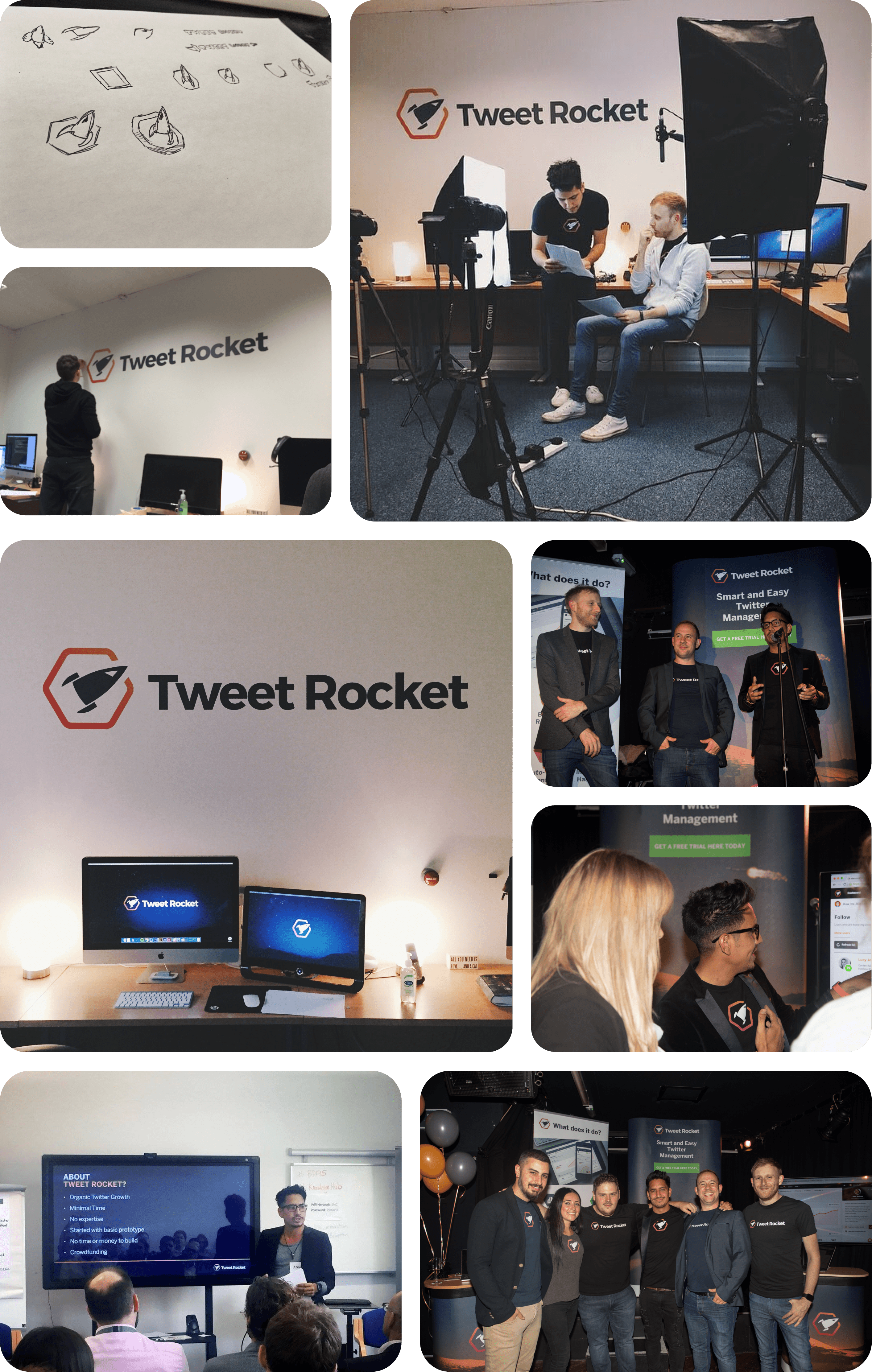

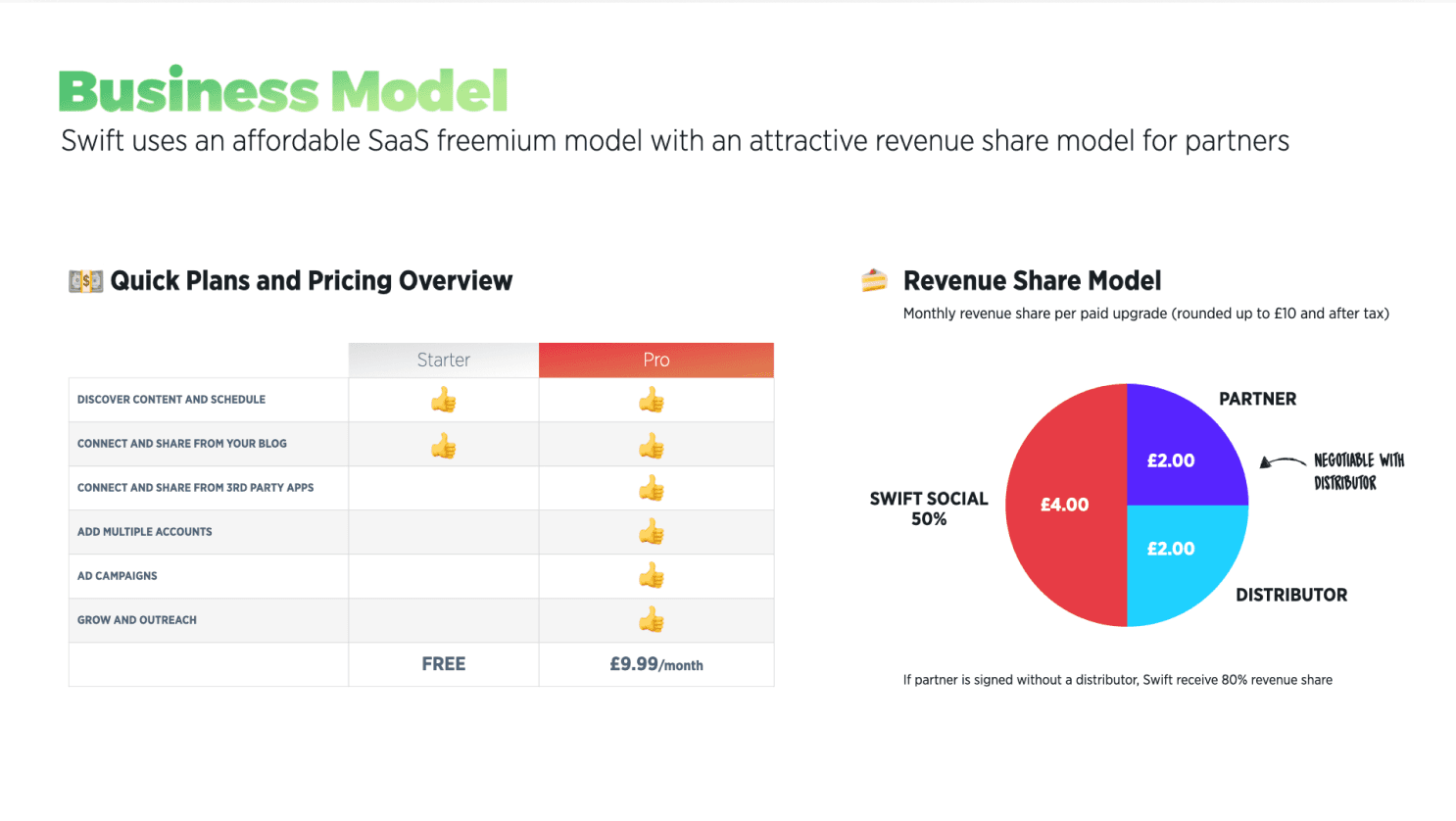
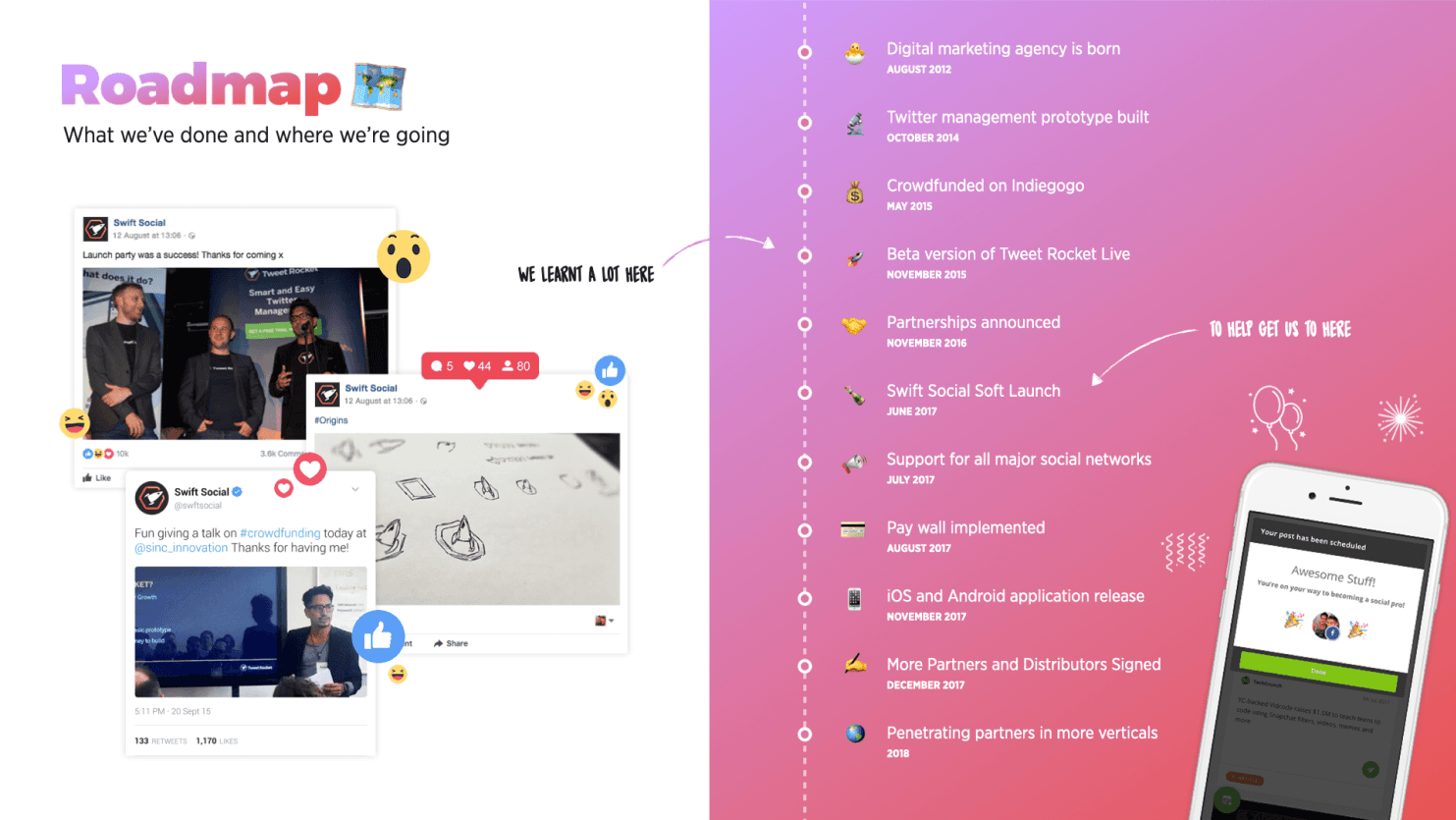
Swift Social's journey was fueled by fundraising. Initially, it began as a managed service utilising third-party software. We gained exposure and market validation when we were featured on Product Hunt, which encouraged us to pursue crowdfunding to develop our own platform.
Two months later, we launched an Indiegogo campaign that exceeded our funding goal by 115%. This success enabled us to build the first version of Swift, known as Tweet Rocket. We received overwhelmingly positive feedback from backers and cultivated a passionate following throughout our journey.
Second fundraise
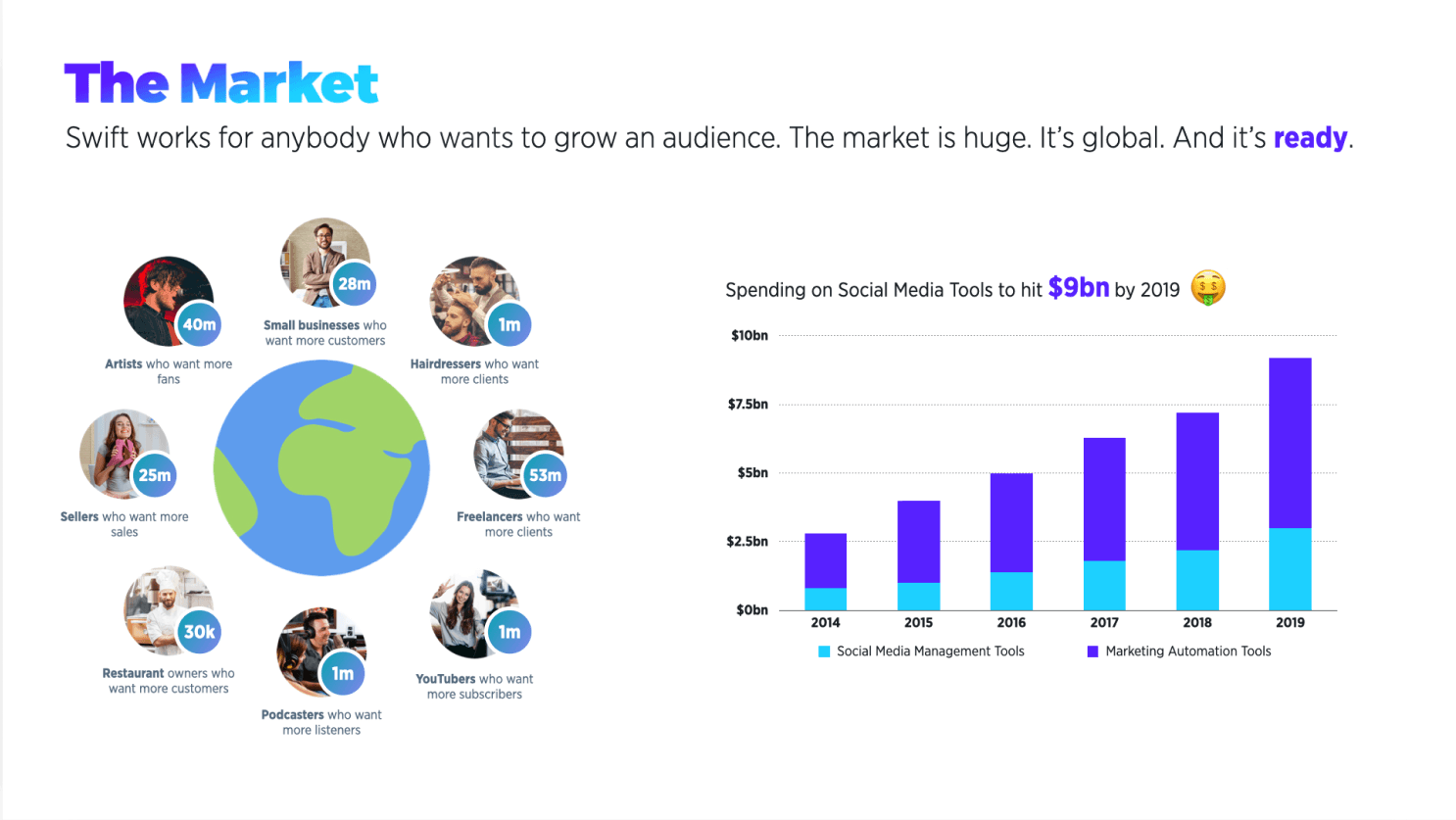
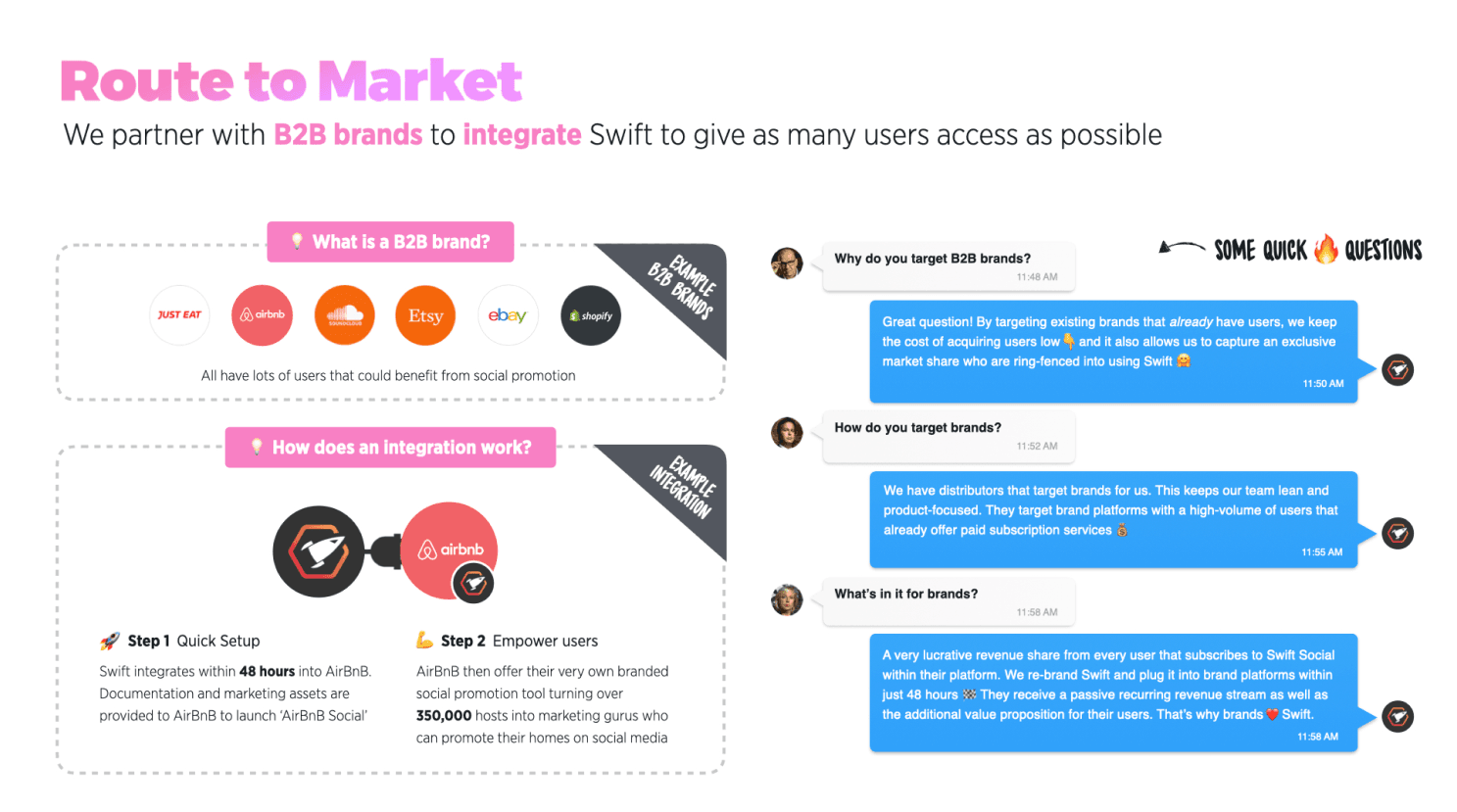
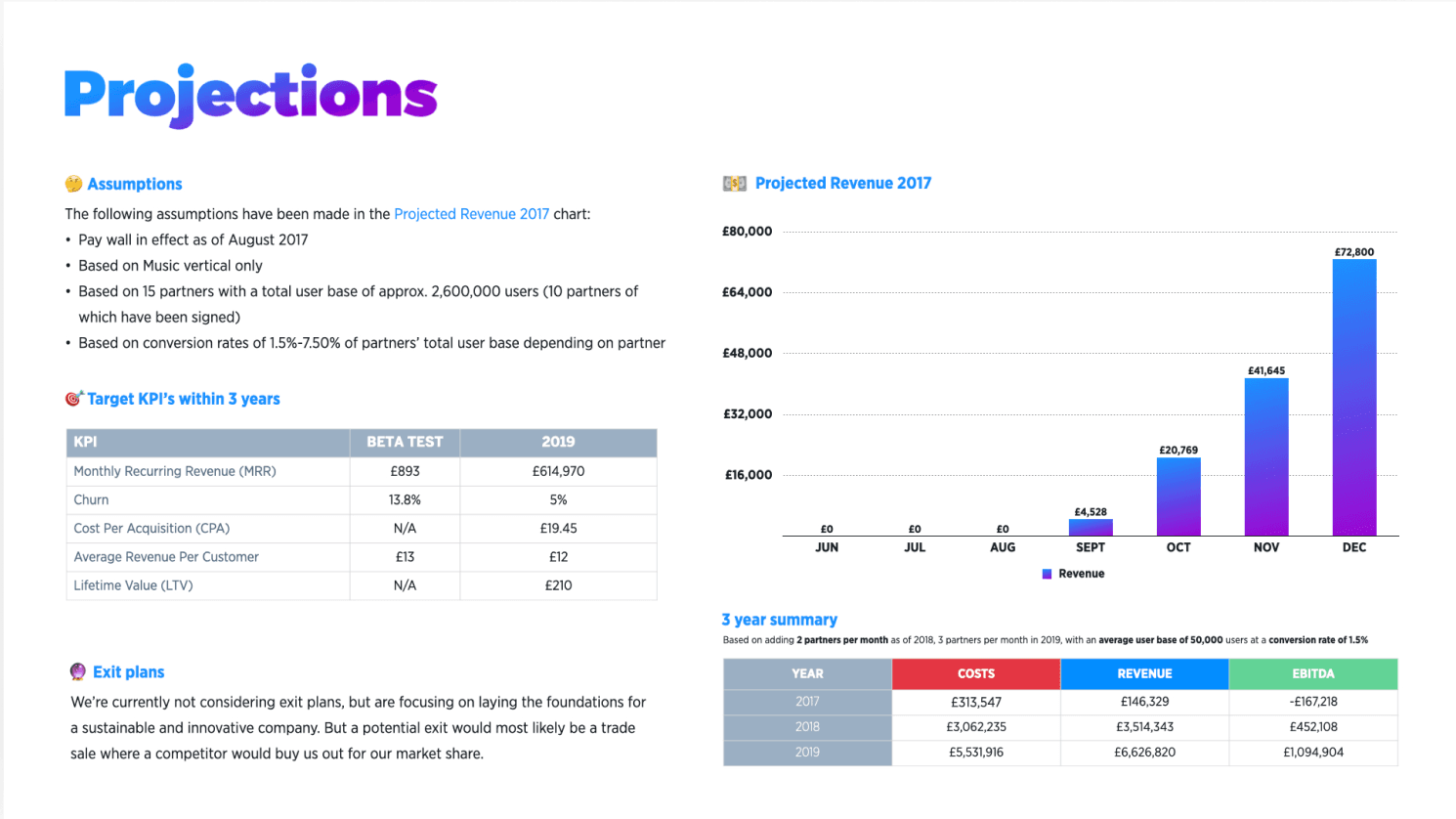
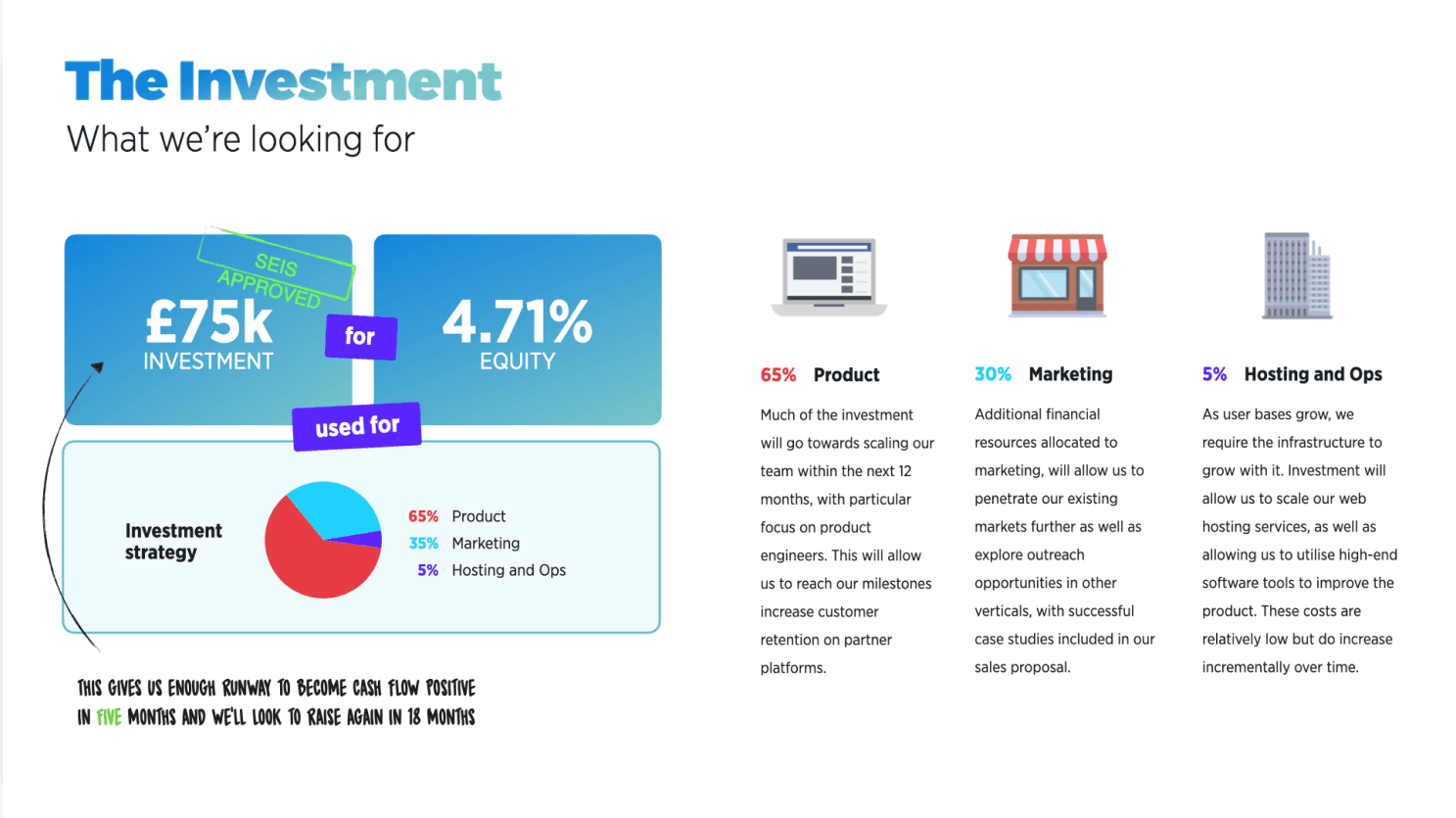
As Swift Social started generating revenue, we aimed to accelerate its growth by seeking another round of investment through Crowdcube. However, we only reached 50% of our goal, which meant we didn't receive any of the funding. We learned many valuable lessons, but the campaign's shortcomings ultimately boiled down to an overvaluation of the company and a unclear route to market.
This setback turned out to be a blessing in disguise, as a private investor eventually purchased the Swift IP, leading to a successful exit.
I continued to work on the product for another six months before transitioning to launch Infinite Studio, my freelance creative studio.
Behind the scenes 🔈


Swift Social is no longer publicly accessible, as the technology was eventually repurposed to power tools beyond its original scope following its acquisition. The learning experience I gained from it has been one of my most invaluable to date. It educated me on a wide range of topics, including launching, crowdfunding, SaaS, iterating, shipping, agile methodologies, pivoting, hiring, fundraising, and everything in between.